Building a Trustworthy Local Business:
Insights from Plumbing Doctor
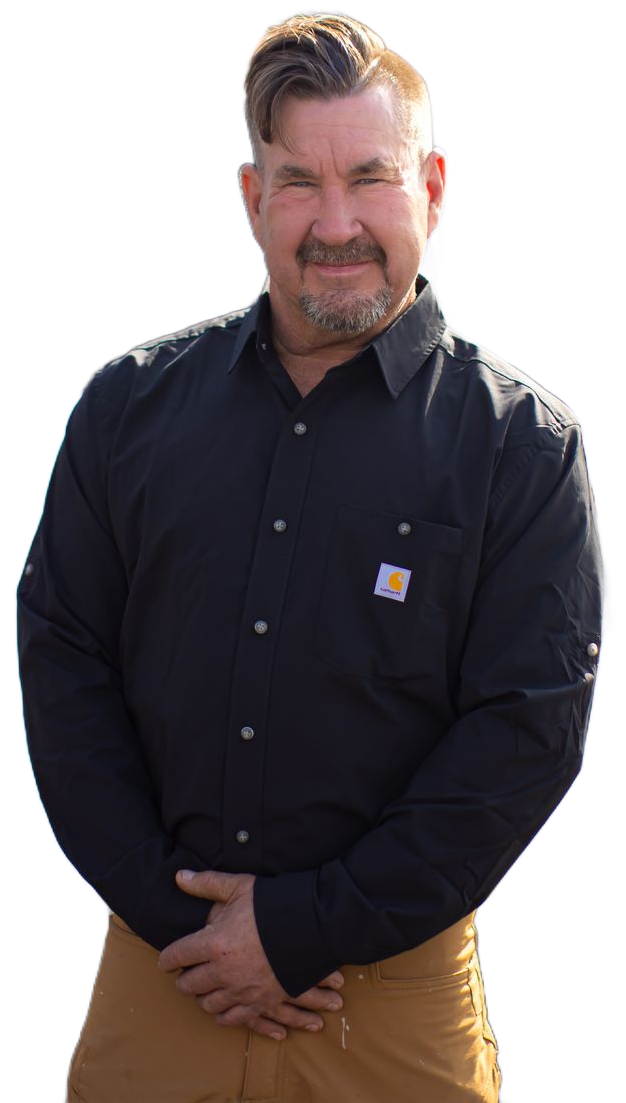
Running a successful home service business requires more than just knowing your trade. It demands a commitment to customer service, a strong company culture, and the ability to adapt to changing technologies. In a recent episode of The Meridian Pursuit Builders Podcast, Jesse Sampley spoke with Glen Downs, the founder of Plumbing Doctor in Elizabethtown, Kentucky. With over four decades of experience in the plumbing industry, Glen shared valuable insights into what it takes to build and sustain a thriving local business.
The Importance of the Red Carpet Treatment
One of the core philosophies at Plumbing Doctor is providing what Glen calls the 'red carpet treatment.' When technicians enter a home, they use floor mats to protect surfaces, clean up thoroughly after the job is done, and aim to leave the space looking better than they found it. This level of respect and care sets a high standard. It shows customers that the company values their property and their peace of mind.
Maintaining a Professional Image
First impressions matter immensely in the service industry. Glen insists that his technicians present a clean, professional appearance. This extends to the service vehicles as well. A clean, well-maintained truck signals to the customer that the technician will treat their home with the same level of care. It builds trust before the technician even knocks on the door.
The Risks of Unlicensed Work
While modern plumbing products have become easier to install, there is still a significant risk in hiring unlicensed individuals for complex repairs. Glen points out that unlicensed workers often lack the necessary insurance and deep understanding of plumbing codes. This can lead to costly mistakes and potential hazards for homeowners. Hiring a reputable, licensed professional ensures the job is done safely and correctly the first time.
Honest Pricing Over Flat Rates
Many new plumbing companies are adopting flat-rate pricing models, quoting high prices before even diagnosing the specific issue. Plumbing Doctor takes a different approach. They believe in arriving on-site, properly diagnosing the problem, and then offering the customer good, better, and best options. This transparent method allows homeowners to make informed decisions based on their budget and needs, rather than feeling pressured into a one-size-fits-all solution.
Key Takeaways
- Customer service is the foundation of a lasting local business.
- A clean, professional appearance builds immediate trust with homeowners.
- Hiring licensed professionals protects your property and ensures quality work.
- Transparent, option-based pricing is more honest than blind flat rates.
- Word of mouth remains one of the most powerful marketing tools for contractors.
Conclusion
Building a reputable business takes time, dedication, and a genuine desire to help people. Glen Downs and the team at Plumbing Doctor exemplify these traits, proving that treating customers right is the best business strategy. If you want to hear more insights from industry leaders, be sure to subscribe to The Meridian Pursuit Builders Podcast.
What's the average lifespan of a water heater?
In Elizabethtown and the surrounding Hardin County area, the average water heater lasts about six years. That is shorter than the national average, and hard water is the main reason. The calcium and mineral deposits in the local water supply build up inside the tank over time. That buildup settles at the bottom of the tank, reduces efficiency, puts extra strain on the heating elements, and eventually causes the unit to fail. If you have had your water heater for more than six years and have not had it serviced, it is worth having a licensed plumber take a look before it becomes an emergency. The ones that last longer than six years usually belong to homeowners who went the extra mile to flush the tank regularly or installed a water softener to reduce mineral buildup in the first place.
How do you know when it's time to replace a water heater instead of repair it?
There are a few clear signs that point toward replacement rather than repair. If the tank is leaking from the bottom, that is almost always a replacement situation. A crack or corrosion at the base of the tank cannot be patched. If the unit is already past the six-year mark and something like a thermostat or element fails, Glen's team will look at the overall condition of the tank before recommending a repair. If the bottom is full of calcium buildup and the tank is aging, putting money into a repair only delays the inevitable. On the other hand, if the tank is relatively new and the issue is a failed element or a leaking relief valve, repair is often the smarter call. Plumbing Doctor drains the tank, clears out the calcium, and checks every component before making a recommendation. The goal is to give the customer an honest answer, not just sell a new unit.
What's the difference between tankless and traditional water heaters in real life?
A traditional water heater keeps a full tank of water heated at all times, ready to go whenever you turn on a faucet. A tankless unit heats water on demand as it flows through the system. Tankless heaters are more energy efficient because they are not constantly maintaining a tank of hot water, but they come with some real-world trade-offs. First, they are not truly instantaneous. The water still has to travel through the unit and heat up before it reaches your fixture. Second, electric tankless heaters require a significant amount of power. A standard 200-amp home service may not be enough. Running one of those units can draw between 140 and 155 amps, which means if the dryer is running at the same time someone wants a shower, you may not have enough capacity. Glen generally steers customers toward gas or propane tankless units if they want to go that route, and he strongly recommends pairing any tankless heater with a water softener to protect the unit from the hard water in this area.
For a typical home around Elizabethtown, what kind of water heater do you usually recommend?
For most homes in Hardin County, Glen recommends a gas or propane water heater. The hard water in this area is tough on all water heaters, but gas units tend to handle it better and recover faster than electric models. When it comes to brand, Glen is partial to the Navien for tankless applications because it is built to run on either propane or natural gas right out of the box. For traditional tank-style heaters, A.O. Smith is a solid choice. Glen is quick to point out that most reputable brands will do the job. The bigger factor is pairing the right unit with a water softener. Without one, even the best water heater in the market will have a shortened lifespan in this area. That combination of the right heater and a quality water softener is what gives homeowners the best long-term value.
What's the biggest mistake people make when choosing a water heater?
The biggest mistake Glen sees is homeowners focusing only on the upfront price without thinking about the total cost of ownership. A cheaper unit that is not matched to the home's water quality or energy setup can end up costing far more in repairs and early replacement. The second most common mistake is choosing an electric tankless heater without checking whether the home's electrical service can support it. Many homeowners are sold on the efficiency promise without being told they may need a full electrical panel upgrade to make it work. Glen also sees homeowners skip the water softener to save money upfront, only to replace their water heater years earlier than they should have. The water softener is not an optional add-on in Hardin County. It is a necessary part of protecting your investment.
Are you a 24-hour plumber, and what does that actually mean for customers?
Plumbing Doctor handles after-hours calls until 8 p.m. on weekdays, and either Glen, Tracy, or one of the dispatchers always has the after-hours phone with them. The team rotates on-call duty, and Glen himself gets in the truck when it is his turn. That is not something you see from every plumbing company, especially one that has been in business for over two decades. For customers, it means that if something goes wrong in the evening, there is a real person on the other end of the line who can either dispatch help or walk you through what to do until a technician can get there. Glen shared that the call always seems to come at the worst moment, usually when he and Tracy are headed out for dinner. But his answer is always the same: if someone is calling, they need help, and he would rather be the one who shows up than lose that customer to someone else.
If a pipe bursts in the middle of the night, what should a homeowner do immediately?
The single most important thing any homeowner can do before a plumbing emergency ever happens is to locate the main water shutoff valve. Glen says this every time someone asks about emergencies. If a pipe bursts and you do not know where the shutoff is, every second you spend looking for it is more water damage to your home. The shutoff is usually near the water meter, either inside the home near the foundation or outside in the yard. Turning off the water immediately limits the damage and buys you time to call for help. Glen also recommends knowing where the clean-out access point is on the outside of your house. If the main sewer line backs up, opening that clean-out can relieve pressure and prevent sewage from overflowing inside the home. These are two things every homeowner should know before they ever need them.
What's the biggest mistake people make during a plumbing emergency?
Panic. When water is coming in somewhere it should not be, people freeze or start making calls without taking the one step that would actually stop the damage: shutting off the water. Glen sees this regularly. By the time a technician arrives, the water has been running for far longer than it needed to because no one knew where the shutoff was. The second mistake is calling the first number that comes up in a search without checking whether the company is licensed and insured. In an emergency, people are desperate, and that desperation can lead to hiring someone who makes the situation worse. Glen recommends having a trusted plumber's number saved in your phone before you ever need it, so that when the moment comes, you are not searching blind.
How fast should someone realistically expect help in an emergency?
That depends on the time of day and the nature of the situation. During regular business hours, Plumbing Doctor dispatches quickly and the technician calls ahead to let the customer know exactly when to expect them. For after-hours calls, the response depends on who is on call and how far out they are. Glen is honest about this. He is not going to promise a 10-minute response at midnight. What he will promise is that someone will answer the phone, someone will take the call seriously, and if it is a true emergency, someone will be on the way. The most important thing in those first minutes is shutting off the water to stop the damage while help is en route.
If someone is remodeling a bathroom, what plumbing work is usually involved?
A bathroom remodel almost always involves more plumbing than homeowners expect going in. At a minimum, you are looking at disconnecting and reconnecting existing fixtures. If the layout is changing, which it almost always does, you are cutting and capping drain lines, roughing in new drain and water supply locations, and making sure everything meets Kentucky plumbing code before the walls go back up. Glen's approach is to have his team come in during demolition, cap everything off cleanly, and then return once the framing and walls are in place to rough in the new locations. That keeps the project moving and avoids having open plumbing sitting exposed for weeks. He also noted that one of the biggest trends he has seen in recent years is homeowners wanting a freestanding tub placed inside a large walk-in shower. It is not his personal preference, but his team makes it work while keeping everything up to code.
What should homeowners plan for before starting a bathroom remodel?
The most important thing is to have a plumber involved early, before any walls come down. Glen has seen projects where a homeowner or general contractor starts demolition without consulting a plumber, only to discover that moving a toilet or shower drain is more involved than expected because of where the existing drain lines run. Getting a plumber on-site at the planning stage avoids those surprises. Homeowners should also plan for the possibility that older homes may have galvanized or cast iron pipes that need to be updated as part of the remodel. That work adds cost but it is far better to address it while the walls are already open than to do it as a separate project later. Budget for the unexpected, because in an older home, there is almost always something behind the walls that nobody planned for.
How much does it typically cost to replumb a house during a renovation?
Glen is straightforward about this: the range is wide and it depends heavily on the size of the home, the age of the existing plumbing, and how much of the system needs to be replaced. For a sump pump replacement alone, the range runs from around $550 to $2,000 depending on what is involved. For a full bathroom remodel with fixture relocation, the cost goes up significantly. Plumbing Doctor gives customers a good, better, and best option so they can make an informed decision based on their budget. The best way to get an accurate number is to schedule a free estimate. Glen does not believe in quoting prices over the phone before anyone has looked at the actual situation.
What drives that cost up or down?
The biggest cost drivers are how much the layout is changing, the age and condition of the existing pipes, and how accessible the plumbing is. Moving a toilet a few feet sounds simple but it requires cutting into the floor, relocating the drain, and ensuring the new position still meets code for slope and venting. Homes with older galvanized or cast iron pipes that are corroded or scaled will need more extensive work. Accessibility matters too. Plumbing that runs through finished walls or concrete slabs takes more time and labor to reach. On the other side, cost comes down when the layout stays close to the existing plumbing locations, the pipes are in good condition, and the work is straightforward to access. Having a clear plan before work starts also reduces surprises, which is one of the main reasons Glen recommends getting a plumber involved at the design stage.
What does a sump pump actually do, and who really needs one?
A sump pump removes subsurface water from underneath a basement floor. The water collects in a pit or crock, and the pump activates when the water level rises, discharging it away from the foundation through a discharge line. It also handles condensation from heating and air systems that drains into the pit. Any home with a basement in Hardin County should have a working sump pump. The water table in this area, combined with seasonal rain and snowmelt, means that subsurface water is a real and ongoing concern. Glen's preferred unit is the Liberty sump pump. It is powder coated so it does not rust, the float is mounted to the side of the housing rather than floating loose in the water, and it draws water from the side rather than the bottom. That design makes it less likely to clog with mud or debris and extends the life of the unit. Plumbing Doctor also sells a Liberty water-powered backup pump that runs off water pressure rather than electricity. If the power goes out during a storm, which is exactly when you need your sump pump most, that backup unit keeps working. It puts in half a gallon of water and pumps six gallons out. Glen calls it one of the coolest pieces of technology he sells.
What's the typical cost of sump pump installation?
For a standard sump pump replacement, the range at Plumbing Doctor runs from around $550 to $2,000. The variation depends on several factors: the size and horsepower of the pump, whether a new discharge line needs to be run, whether a check valve needs to be added or replaced, and how accessible the sump pit is. Glen offers customers a good, better, and best option so they can choose the level of protection that fits their budget. The base option will handle the job. The higher-end options add features like a larger horsepower motor, a soft-close check valve that eliminates the banging sound when the pump shuts off, and the water-powered backup unit for power outage protection. For most homeowners, Glen recommends at least a mid-range option given how much water damage a failed sump pump can cause.
What problems can it prevent that homeowners don't think about?
Most homeowners think about flooding, but a working sump pump does more than keep the basement dry during a heavy rain. It continuously manages the moisture level under the floor, which protects the foundation, reduces humidity in the basement, and prevents the kind of slow, ongoing water intrusion that leads to mold and structural damage over time. Glen has seen basements where the sump pump failed silently, not with a dramatic flood but with a gradual rise in moisture that went unnoticed for months. By the time the homeowner called, there was significant mold remediation involved. He also pointed out that a teddy bear falling into the sump pit and holding down the float switch is enough to flood a basement. It sounds funny, but he has seen it happen. Checking the pit monthly, making sure the float moves freely, and keeping the area around it clear are simple habits that can prevent thousands of dollars in damage.
What do you love about serving Elizabethtown and the surrounding area?
For Glen, it comes down to the people. He has a personal networking habit that says a lot about how he approaches his community. Every morning he puts 10 business cards in his pocket and makes it a goal to hand all of them out before the end of the day. If he gets home with three cards left, he met seven new people. If he has none left, he calls that a home run. It is not a marketing tactic. It is just how Glen moves through the world. He is genuinely interested in the people around him and in being a resource for his community. He is on good terms with the mayors of both Elizabethtown and Radcliff. He sees a Plumbing Doctor truck going down the road and feels proud. That pride in the community and in the work is what has kept the business going for over two decades.
What's a memorable job or customer story that stuck with you?
Glen has no shortage of stories. One that came up in the conversation involved a bidet installation for a customer who was watching as Glen finished the job. He cranked the bidet up to full pressure, let it shoot up out of the bowl, and took a drink of it to show the customer it was clean. She was not amused. Glen thought it was hilarious. It is that kind of personality, the willingness to find the humor in the job, that makes his team enjoyable to have in your home. He also talked about the after-hours calls that always seem to come at the worst time. Dressed up for dinner with his wife, ready to go, and the phone rings. Sewer line stopped up. He changes clothes, goes out, fixes it, comes back. That is just what the job looks like when you take it seriously.
If someone's on the fence about calling a plumber, what would you tell them?
Glen's answer is simple. A small problem that gets ignored almost always becomes a bigger and more expensive problem. A running toilet that is losing a little water today can turn into a significant water bill over a few months. A slow drain that gets ignored can become a fully backed-up sewer line. The cost of a service call is almost always less than the cost of waiting. And if it turns out to be something minor, a good plumber will tell you that honestly rather than talk you into unnecessary work. Glen's team will come out, diagnose the issue, and give you options. There is no pressure and no obligation to proceed with anything beyond what you need.
If someone is dealing with a plumbing issue right now, what's the first step they should take?
If it involves water, shut it off first. Find the main shutoff valve and stop the flow before anything else. That one step limits the damage and gives you time to make a calm decision about next steps. If it is a sewer issue, locate the clean-out on the outside of your house and pop the cap to relieve pressure. Once the immediate situation is under control, call a licensed plumber. Glen's team at Plumbing Doctor is trained to walk customers through exactly what to do over the phone while help is on the way. You do not have to figure it out alone.
What's the easiest way to get in touch with your team?
The easiest way to reach Plumbing Doctor is by calling 270-765-PLUM, which is 270-765-7586. Glen designed that number to be easy to remember. When you call, a dispatcher will answer with a specific greeting, get your information, and connect you with a technician. For after-hours situations, the after-hours line is 270-317-2235. You can also visit plumbingdoctorky.com to schedule an estimate or learn more about the services Plumbing Doctor offers across Elizabethtown, Radcliff, Fort Knox, Hodgenville, and the surrounding Hardin County area.